• Uma entrevista sobre Verdades e Solos
  • Resenha de “Céu Subterrâneo” no Jornal da USP
  • A verdade lançada ao solo, de Paulo Rosenbaum. Rio de Janeiro: Editora Record, 2010. Por Regina Igel / University of Maryland, College Park
  • Resenha de “Céu Subterrâneo” por Reuven Faingold (Estadão)
  • Escritor de deserto – Céu Subterrâneo (Estadão)
  • A inconcebível Jerusalém (Estadão)
  • O midrash brasileiro “Céu subterrâneo”[1], o sefer de “A Verdade ao Solo” e o reino das diáforas de “A Pele que nos Divide”.(Blog Estadão)

Paulo Rosenbaum

~ Escritor e Médico Writer and physician

Paulo Rosenbaum

Arquivos de Categoria: Artigos

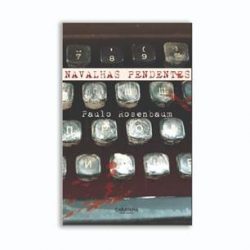
Navalhas Pendentes (portal da Glorinha Cohen)

Destacado

Posted by Paulo Rosenbaum in Artigos, Imprensa

≈ Deixe um comentário

PRÉ-LANÇAMENTO DE “NAVALHAS PENDENTES”, O NOVO ROMANCE DE PAULO ROSENBAUM

Postado em 18 de setembro de 2021 Por admin FIQUE POR DENTRO, ROTATIVAS

“O romance Navalhas pendentes, de Paulo Rosenbaum, é, sobretudo, uma armadilha que, entre citações, ironias e referências intertextuais, arma e desarma a leitura. A trama põe em perspectiva a sanidade do narrador e a linearidade da história. Complô, ilusão e farsa fazem do enredo um labirinto e fazem multiplicar realidades instáveis ou fantasias existenciais de um protagonista que, aparentemente, não merece muita credibilidade. Desde o início, o leitor sabe que está pisando em solo movediço, afinal, amnésia é uma das palavras-chave que, intermitentes, funcionam como faróis precários no nevoeiro. O narrador, Homero Arp Montefiore, tal qual o seu homônimo grego, faz precipitar as certezas por um vórtice e, se Goya tinha razão e o sono/sonho da razão produz monstros, tanto um quanto o outro assombram o personagem com lâminas que se inscrevem na narrativa, como signos denunciadores. Sobre o herói e os crimes imputados ou cometidos por ele, pesam navalhas, facas, canivetes e outros fios mais sutis. Daí serem sempre pendentes tanto as ameaças e quanto as certezas. Nesse sentido, quando o personagem, revisor de textos e aprendiz de escritor, se corta com o gume de uma folha de papel, aguçam as lembranças do leitor estudos em vermelho, fisiologias da composição, punições para a inocência e mortes ao pé da letra. Uma gota de sangue sobre o papel não é rastro fácil de seguir. O narrador parece viver em um pesadelo, como nos enredos de Kafka, engendrado por um escritor que cria labirintos com inúmeras entradas e algumas saídas, todas inacessíveis. O leitor, como uma espécie de detetive que segue indícios, pistas e enigmas, por sua vez, se enovela numa história de crimes, facas e segredos.” – Lyslei Nascimento

“A Editora Filamentos faz parte do maior conglomerado
editorial do mundo. Desde que
foi absorvida pela gigante emergente KGF-
-Forster©️, viu suas vendas de livros dispararem.
Um de seus colaboradores, Homero Arp
Montefiore, ficou intrigado com a indústria de
best-sellers da editora, especialmente aqueles
assinados por um misterioso escritor chamado
Karel F. A curiosidade sobre a verdadeira
identidade desse autor tornou-se uma obsessão,
levando-o a uma investigação particular
sobre a vida do enigmático romancista. As
perturbadoras descobertas reveladas por
essa investigação tornaram-se cada vez mais
perigosas e, após determinado ponto, colocaram
sua vida em risco extremo. Acusado de
crimes que talvez não tenha cometido, ele se
torna um fugitivo empenhado em tentar provar
sua provável inocência. Se alguma chance
houver de isso acontecer, será descobrir a real
identidade de Karel F. e expor a conspiração
que subjaz a sua literatura.”

Berta Waldman

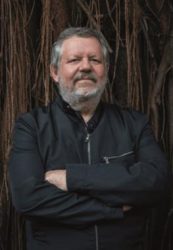
O autor, Paulo Rosenbaum, nasceu em São Paulo em 1959. É médico e escritor. Possui Mestrado em Medicina Preventiva, Doutorado em Ciências e Pós-doutorado em Medicina Preventiva pela USP, com mais de uma dezena de livros publicados na área. Escreve, regularmente, para o jornal Estado de São Paulo, no blog “Conto de notícia”. Roteirista e produtor de documentários, atuou como editor de revistas científicas no campo da saúde. É pesquisador na área de clínica médica, semiologia clínica, relação médico-paciente, prevenção e promoção da saúde e pesquisa de medicamentos. Além de ensaísta, é poeta, contista e romancista. Antes de Navalhas pendentes, publicou os romances: A verdade lançada ao solo (Record, 2010) e Céu subterrâneo (Perspectiva, 2016).

Para adquirir este livro em pré-lançamento a R$ 59,90, acesse: https://caravanagrupoeditorial.com.br/produto/navalhas-pendentes/embed/#?secret=J7MeWeBVAE

https://glorinhacohen.com.br/?p=58467

Compartilhe:

  • Clique para imprimir(abre em nova janela) Imprimir
  • Mais
  • Tweet
  • Clique para compartilhar no WhatsApp(abre em nova janela) WhatsApp
  • Clique para compartilhar no Telegram(abre em nova janela) Telegram
  • Pocket
  • Compartilhar no Tumblr
  • Clique para enviar um link por e-mail para um amigo(abre em nova janela) E-mail
  • Clique para compartilhar no Reddit(abre em nova janela) Reddit
Curtir Carregando...

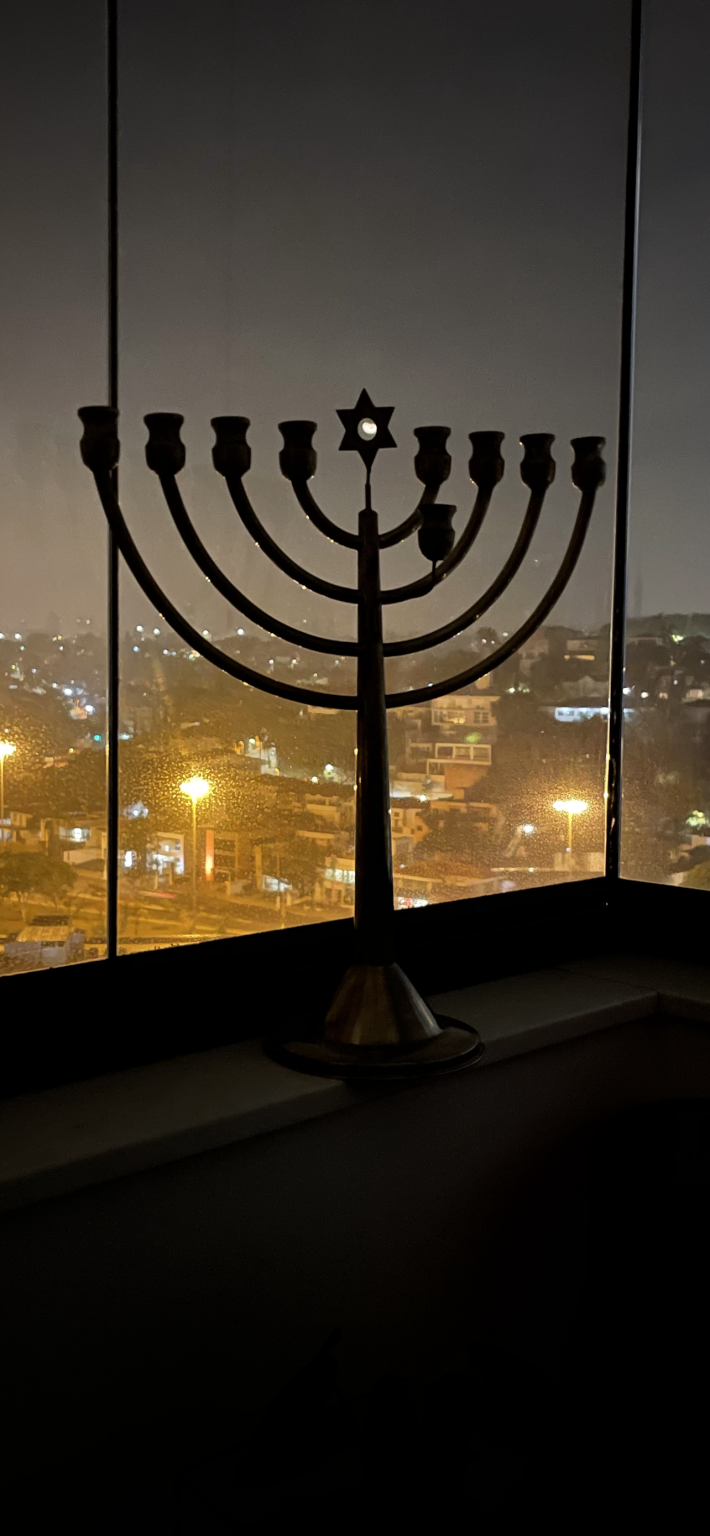
No Último Poema de 5781

06 segunda-feira set 2021

Posted by Paulo Rosenbaum in Artigos

≈ Deixe um comentário

https://brasil.estadao.com.br/blogs/conto-de-noticia/no-ultimo-poema-de-5781/

https://brasil.estadao.com.br/blogs/conto-de-noticia/wp-content/uploads/sites/74/2021/09/d5450bcd67b6494ca16149abafbd588c_060920212503.png

Paulo Rosenbaum. Eis que no ultimo poema do ano

leremos os sinais, aqueles que ocultamos,

nos objetos ritualísticos,

na matéria que parece irrelevante

Durante o último poema do ano

Em visões sucessivas, projetaremos, em céus particulares

nas telas internas, e nos menores símbolos

os rostos daqueles que sumiram,

que nos escaparam por um fio

ceifados sem que soubéssemos,

ou déssemos conta de suas partidas sem aviso

aqueles que estavam em distâncias intransponíveis,

Neste último poema do presente ano

é mister aspirar pelo regresso dos que amamos,

mas, também, dos que deveríamos ter aprendido a tolerar

Enquanto lemos o último poema do ano

os corações, que normalmente balançam sob tumultos

Fazem revisões, desfilam à exposição das vulnerabilidades

recolhem-se, estoicos, à passagem das turbulências

sem ceder ao caos das aparências

No último poema do ano

Estaremos todos juntos, aqui, ali, ou em Jerusalém

Aqui, ou nos desafios que não poderemos mais numerar

Como os decretos, incognoscíveis,

Que não sendo apenas humanos,

Vem do Alto, e com eles, esticamos a peneira da colheita

Durante o último poema do ano

Ficaremos próximos, pela paz

Mas também sentinelas, atentos às lutas

Solidários como quem soube

Que estamos sempre perto do risco

E das transformações perigosas

Enquanto passamos através deste último poema do ano

Podemos enxergar o grande tecido, a coisa extensa

Aquela que contém a totalidade das pessoas

E que  nos ajeita no mesmo tapete

que oscila, sob a inconstância do vento

E no capricho errático do tempo

Neste último poema do ano

Não há só o shofar, nem só o som do chifre do carneiro

Mas, fragmentos musicais

que, de ouvido, decompomos para formar hinos

O hino que disputa a vida

Contra as forças do atraso e da violência

Que estão por todos os lados

e fizeram sumir o meridiano dos centros

Ainda no último poema do ano

A liberdade mostra-se arredia

E merece um penúltimo esforço

Uma miríade de canais abertos que irrigam

com sementes as tempestades sem controle

E no ultimo poema do ano

O aniversario da humanidade fará emergir

o sopro de vida que neutraliza pulsões e tiranias.

Dentro do último poema do ano

encontram-se liberdades em expansão,

dúvidas sobre o extensão do livre arbítrio,

bem-aventuranças em estado de hibernação,

e, se desconhecemos o porvir do multiverso

temos uma e a mesma certeza

a correnteza é o solo que temos em comum

e, que neste último poema do ano

Às vésperas de 5782,

os igarapés formem uma confluência imprevisível

no irretorquível livro da vida, a árvore que nunca termina,

Quando as lembranças dos nossos queridos

formarão uma galeria dos afetos

em permanente e ininterrupta exposição.

Shaná Tová!

https://brasil.estadao.com.br/blogs/conto-de-noticia/no-ultimo-poema-de-5781/

Compartilhe:

  • Clique para imprimir(abre em nova janela) Imprimir
  • Mais
  • Tweet
  • Clique para compartilhar no WhatsApp(abre em nova janela) WhatsApp
  • Clique para compartilhar no Telegram(abre em nova janela) Telegram
  • Pocket
  • Compartilhar no Tumblr
  • Clique para enviar um link por e-mail para um amigo(abre em nova janela) E-mail
  • Clique para compartilhar no Reddit(abre em nova janela) Reddit
Curtir Carregando...

Um Médico chamado Matheus Marim (Blog Estadão)

02 quinta-feira set 2021

Posted by Paulo Rosenbaum in Artigos

≈ 1 comentário

Um Médico chamado Matheus Marim

Médico, professor de medicina, homeopata por escolha, um sujeito que nunca se rendeu aos dogmas, nem às doutrinas pétreas, e tinha na atitude científica genuína uma morada. Porém não a qualquer ciência, mas aquela que questiona o cientificismo e privilegia a visão experimental e vitalista. É verdade que tem muita gente muito mais próxima dele e que o conheceu de forma mais intima. Amigos e colegas médicos que poderiam falar melhor sobre ele, discursar com mais conhecimento sobre suas características e qualidades.

Só ouso fazê-lo porque o meu contato foi baseado na intensidade e sob a pressão dos momentos agudos e críticos. O suficiente para conhecer a ética e o rigor pessoal com que ele a aplicava. E por saber, ou intuir pouco importa, o rumo de seu leitmotiv. É improcedente falar do que era consensual em sua personalidade, mas é essencial ressaltar o que dele emanava: uma tranquilidade peculiar, que se infiltrava mesmo à revelia do interlocutor. Testemunhei por várias vezes seu atuar calmo em meio à turbulência, e suas palavras que se assentavam, sutis, mesmo em meio às situações dramáticas. Nunca houve uma mudança de tom, nenhuma exasperação, zero afobação. Sua intensidade fazia-se pela firme constância e pela responsabilidade com que tomava e assistia seus casos clínicos.

Seria ele um adepto de uma versão do estoicismo moderno? Talvez. Decerto um workaholic convicto. Seu heroísmo nunca foi acidental, tanto no combate à peste como às mazelas humanas, e este é um esforço que merece um registro especial. Assim como de tantos e tantos médicos, enfermeiros e equipes de saúde que tombaram frente a uma onda de patologia sem ainda nenhum sinal de desfecho. Muito provavelmente a melhor definição de seu atuar como médico que ajudou milhares de pessoas através da clínica da similitude, é lembrar de uma qualidade evocada pelo fundador da homeopatia, uma virtude que Samuel Hahnemann julgava fundamental num cuidador.

O terapeuta pode ser solidário, deve ser empático, mas deve também exercer uma “muda comiseração” durante as entrevistas médicas.

E era essa sua forma particular de interagir com os enfermos. Relatos mostram um médico que agia como uma pessoa frente à outra. Um clínico que, enquanto ouvia as queixas, polia as lentes dos óculos dos seus pacientes idosos, que se preocupava em jamais renunciar a um pedido de alguém precisando de seus serviços. Sua mera presença, com seu indisfarçável e longo avental branco, impunha uma espécie de respeito tácito, isso mesmo quando se encontrava em meios hostis ao tipo de medicina que praticava. De alguém que se entregava ao inegável talento na arte de cuidar, muitas vezes em detrimento dos interesses pessoais. Às vezes, para acolher um relato de sofrimento da pessoa tratada, mas, muitas vezes, dos familiares destas pessoas também. Às vezes, por horas, às vezes durante a madrugada.

Matheus apostava, como Gregório Maragnon, que a homeopatia seria, um dia, redescoberta em laboratórios. Na verdade, ela já foi redescoberta pela ciência e validada pela sociedade, apesar de todas as tentativas de interdita-la, na maior parte das vezes por motivações alheias à saúde dos homens e contra os interesses da humanidade. Independentemente de seu atuar clínico e de pai e avô atento aos seus, encontrava ainda tempo para produzir experimentações de novos medicamentos (como, por exemplo, Botrophs jararacuçu e Brosimum Gaudichaudii), procurar bons interlocutores dentro das ciências da saúde, articular eventos, promover cursos, e, talvez, o motor número um de sua trajetória vital: sua defesa de uma forma ímpar de praticar a medicina.

Matheus, por tudo isso e, gracias a la vida, sua marca no mundo estará garantida, aqui, agora, mas também num futuro longínquo e lá fora.

Obrigado por tudo, grazie mille: é a Medicina que te agradece.

https://brasil.estadao.com.br/blogs/conto-de-noticia/um-medico-chamado-matheus-marim/

Compartilhe:

  • Clique para imprimir(abre em nova janela) Imprimir
  • Mais
  • Tweet
  • Clique para compartilhar no WhatsApp(abre em nova janela) WhatsApp
  • Clique para compartilhar no Telegram(abre em nova janela) Telegram
  • Pocket
  • Compartilhar no Tumblr
  • Clique para enviar um link por e-mail para um amigo(abre em nova janela) E-mail
  • Clique para compartilhar no Reddit(abre em nova janela) Reddit
Curtir Carregando...

A Physician named Matheus Marim ( Article Newspaper “O Estado de São Paulo”)

02 quinta-feira set 2021

Posted by Paulo Rosenbaum in Artigos

≈ Deixe um comentário

A Physician named Matheus Marim

A doctor, researcher, professor of medicine, a homeopath by choice, a guy who never surrendered to dogmas, nor to stony doctrines, and had a home in the genuine scientific attitude. But not just any science, but one that questions scientism and privileges the experimental and vitalist view. It’s true that there are many people much closer to him and who got to know him more intimately. Friends and medical colleagues who could talk better about him, speak more knowledgeably about his characteristics and qualities.

I only dare to do it because my contact was based on the intensity and pressure of acute and critical moments. Enough to know the ethics and the personal rigor with which he applied it. And because you know, or intuit, the direction of your leitmotiv matters little . It is unfounded to speak of what was consensual in his personality, but it is essential to emphasize what emanated from him: a peculiar tranquility, which infiltrated even without the interlocutor’s appearance. I witnessed his acting calm in the midst of turmoil several times, and his words settling in, subtle, even in the midst of dramatic situations. There was never a change of tone, no exasperation, no rush. Its intensity was due to the firm constancy and responsibility with which it took and assisted its clinical cases.

Was he an adherent of a version of modern Stoicism? Perhaps. Certainly a committed workaholic. His heroism was never accidental, both in combating the plague and human ailments, and this is an effort that deserves special mention. As well as so many doctors, nurses and health teams who fell in front of a wave of pathology with still no sign of an outcome. Probably the best definition of his role as a doctor who has helped thousands of people through the clinic of similarity is to remember a quality evoked by the founder of homeopathy, a virtue that Samuel Hahnemann considered fundamental in a caregiver.

The therapist can be supportive, must be empathetic, but must also exercise “mute compassion” during medical interviews.

And that was his particular way of interacting with the sick. Accounts show a doctor who acted like one person in front of another. A clinician who, while listening to complaints, polished the lenses of his elderly patients’ spectacles, who worried that he would never give up a request from someone in need of his services. His mere presence, with his undisguised and long white coat, commanded a kind of unspoken respect, even when he found himself in environments hostile to the type of medicine he practiced. From someone who surrendered to the undeniable talent in the art of caring, often to the detriment of personal interests. Sometimes, to receive a report of suffering from the person treated, but often from the family members of these people as well. Sometimes for hours, sometimes during the night.

Matheus was betting, like Gregório Maragnon, that homeopathy would one day be rediscovered in laboratories. In fact, it has already been rediscovered by science and validated by society, despite all attempts to ban it, most often for reasons beyond the health of men and against the interests of humanity. Regardless of his clinical role and father and grandfather attentive to his own, he still found time to experiment with new medicines (such as Botrophs jararacuçu and Brosimum Gaudichaudii), look for good interlocutors within the health sciences, articulate events, promote courses , and, perhaps, the number one engine of his vital trajectory: his defense of a unique way of practicing medicine.

Matheus, for all this and, gracias a la vida , your mark in the world will be guaranteed, here, now, but also in the distant future and abroad.

Thank you for everything, grazie mille: it is Medicine that thanks you.

https://brasil.estadao.com.br/blogs/conto-de-noticia/um-medico-chamado-matheus-marim/

Compartilhe:

  • Clique para imprimir(abre em nova janela) Imprimir
  • Mais
  • Tweet
  • Clique para compartilhar no WhatsApp(abre em nova janela) WhatsApp
  • Clique para compartilhar no Telegram(abre em nova janela) Telegram
  • Pocket
  • Compartilhar no Tumblr
  • Clique para enviar um link por e-mail para um amigo(abre em nova janela) E-mail
  • Clique para compartilhar no Reddit(abre em nova janela) Reddit
Curtir Carregando...

Tua Voz (blog Estadão)

24 terça-feira ago 2021

Posted by Paulo Rosenbaum in Artigos

≈ 1 comentário

TUA VOZ

não será auditada
Tua voz,
sem vez
Tua voz,
sem voto,
Tua voz,
ouvida adiante
Tua voz,
junto ao ruído do cometa,
Tua voz,
não mais te pertence
Tua voz,
que era a nossa
Tua voz,
tão calada
Tua voz,
que pedia liberdade,
acaba de ser interditada.

14.11.2014

A Pele que nos Divide, 2018

Compartilhe:

  • Clique para imprimir(abre em nova janela) Imprimir
  • Mais
  • Tweet
  • Clique para compartilhar no WhatsApp(abre em nova janela) WhatsApp
  • Clique para compartilhar no Telegram(abre em nova janela) Telegram
  • Pocket
  • Compartilhar no Tumblr
  • Clique para enviar um link por e-mail para um amigo(abre em nova janela) E-mail
  • Clique para compartilhar no Reddit(abre em nova janela) Reddit
Curtir Carregando...

Devekut, verdade da verdade, ou o aprendizado com Deus

22 quinta-feira jul 2021

Posted by Paulo Rosenbaum in Artigos

≈ Deixe um comentário

https://paulorosenbaum.com.br/2011/02/20/devekut-verdade-da-verdade-ou-o-aprendizado-com-deus/

Avatar de Paulo RosenbaumPaulo Rosenbaum

Um dos maiores mistérios de “A Verdade Lançada ao Solo” é o manuscrito deixado por Zult Talb. Nele, o rabino filósofo escreve sobre suas experiências com a devekut (adesão, apego, proximidade a Deus). Ele fala, não somente do ponto de vista teórico ou filosófico, fala do que experimentou.

Como ele aprendeu a técnica? Através de alguém que já vivenciou a experiência. Portanto a devekut é infecciosa, transmissível. 

Para Zult a “adesão”não é fruto de catarse, não é o resultado de meditação, ou bônus espiritual que se alcança com mantras ou com a erudição biblica. A devekut é um professor com alta proficiência pois ensina a partir de uma fonte quase inaccessível. Aparentemente. O mais incrível é que ela jamais promete para quem a experimenta.

Zult quer deixar esse testamento aos homens de nossa época porque intuiu o que virá. Sabe o que nascerá. Parece que o mundo migrará para um esvaziamento da vida subjetiva…

Ver o post original 82 mais palavras

Compartilhe:

  • Clique para imprimir(abre em nova janela) Imprimir
  • Mais
  • Tweet
  • Clique para compartilhar no WhatsApp(abre em nova janela) WhatsApp
  • Clique para compartilhar no Telegram(abre em nova janela) Telegram
  • Pocket
  • Compartilhar no Tumblr
  • Clique para enviar um link por e-mail para um amigo(abre em nova janela) E-mail
  • Clique para compartilhar no Reddit(abre em nova janela) Reddit
Curtir Carregando...

Moishe Aharon ben Chava (Mauricio Rosenbaum )

18 domingo jul 2021

Posted by Paulo Rosenbaum in Artigos

≈ 6 Comentários

https://brasil.estadao.com.br/blogs/conto-de-noticia/moishe-aharon-ben-chava-mauricio-rosenbaum/

Moishe Aharon ben Chava (Mauricio Rosenbaum )

This will never be an obituary.

Can you listen? I’m still waiting for you, I’m at home. To watch Timon’s game. I already signed the package. For a penultimate kiddush . Are you still here for me? I could see you, in dreams, and you were on the verge of invisibility. It was just a dream, one of those frightening ones. Time has always been a small measure for your presence. You taught me to wait. Showed how to laugh. Not just from yourself. But everything pretentious, doctrinal and ritualistic. You’re an architect, but you’ve always been more skilled in the art of improvisation. Here is an urban planner who dreamed of rural islands. But your specialty was the acute reading of the abstract world. In the detection of unusual ephemeris. In the disconcerting sound argument, in the language games. I wonder how you managed to predict the ruse of neuroses? I know it’s more than your sympathy for non sense. It must be the joy of detachment. Your receipts and insights, consistent with this innate empathy. Like Aaron, you needed to pacify to unite . 

Your talent has always been to feel before what others never saw. And you only get serious when you echo Maimonides and the Hasidic philosophy : “you have to laugh every fifteen minutes”. The phrase that for laymen was meaningless. Ridiculing the unimportant, despising everything that is not playful. Another find of yours: beauty of indifference. you saw life in irrelevant things. for you, to the the objects have an autonomous life. your struggle for a late peace, the only possible, that which does not forget. Do away your past social struggles, your synthesis it became self-evident: work and art end up deformed by politics. Ideology is a senile lens, which distorts reality. It deforms the sense of permanence. And hence the synthesis, only the infused science of justice could authenticate altruism. you insisted: “Stand away from what is not yours.” In addition to the final advice:

“Politics? Never changed, never will. Engage in business, writing, leisure.”

You have also brought to your own another kind of understanding of the practical world. He founded, beyond your core of immediate contacts, the coming of a change that has not yet arrived: the lightness of routine, practical stoicism and contempt for the culture of suffering. That’s when you got the tickets for the elevated walkways . A paradise made up of imaginary places. A mix of London gardens with country country roads. Your “New England” will no longer have to wait for us all. It resides here. She will gather us not as a family but in the great dome of the sacred congregation. The possible utopia, the one you believe in like no one else. And, sooner or later, we will recognize what you keep saying: laws are not enough, no more revolution, heroic reformers, narcissistic grandiloquences, we have come to civilize the world through affection, and that is why it has always been difficult to tolerate us . Lately, you’ve been working out another system of notation, an original kind of benevolence. Do you want to create a new terminology? For dreams of rebuilding? From preaching free from dogma. Of the mild ridicule of fanaticisms. From the occasional indoctrinators.     

Remember when he painted the lights like Chagall ? Or Van Gogh’s earthy yellow? And cross strokes? The Gruffalo Dinosaurs with a Consciousness? So, however invulnerable, we can no longer deny the tragic that your absence would impose on us. Forgiveness. Tragic never, just a mild melancholy. If we demanded that you stay longer, it was only because we knew of your ability to find us. Anywhere. In space-time, now abolished. But if the choice is the departure, let the direction be univocal, clear, towards the big “who”. And behold, your doubts about what the other world was were all answered. One minus: what will we do? We need your eyes and discernment. Understanding how a non-intellectual faith managed to overcome the pressure of skepticism. If we need to find you, it’s to learn more about the secret of your appreciation for life. You, like Leon Bloy , had that “immense curiosity” to know what is hidden behind the curtains. From which no visitors have returned. Mere misdirection, you always knew. The ‘Big Who’ you knew will one day share with us.    

How can we forget about your dancing and tap dancing, your experiences with galoshes soup and the naive request for a lighter for firefighters that almost got you arrested? Your example of strength has not erased your indignation. Like private protests. A rage against disguised autocracies. Your sharp criticism against excessive seriousness. How many times have you tried to teach us about missing paradise? A place that was once an island, was once agriculture, it was your son Sérgio who preceded you. A Gan Eden that offered us an outside view of the tropics. The Garden of Eden, as Gershom Scholem wrote , can be the symbol of happiness itself. Your indirect object architecture and ingenious solutions. Your sophisticated arrangements for simplicity. Your comprehensive apprenticeship. The quest, like Tolstoy’s , for a justice based on personal spirituality. Just like the relationship with the heavens, folks. All of this was just to tell you that if this were a separation it would have no meaning at all. I’ve been taught, first the union, then the havdala , the apartment, temporary. We will forge a new time until this one finally reaches the meeting of permanence.    

Forever, Father, forever.

Compartilhe:

  • Clique para imprimir(abre em nova janela) Imprimir
  • Mais
  • Tweet
  • Clique para compartilhar no WhatsApp(abre em nova janela) WhatsApp
  • Clique para compartilhar no Telegram(abre em nova janela) Telegram
  • Pocket
  • Compartilhar no Tumblr
  • Clique para enviar um link por e-mail para um amigo(abre em nova janela) E-mail
  • Clique para compartilhar no Reddit(abre em nova janela) Reddit
Curtir Carregando...

Moishe Aharon ben Chava (Maurício Rosenbaum)Blog Estadão

18 domingo jul 2021

Posted by Paulo Rosenbaum in Artigos

≈ Deixe um comentário

https://brasil.estadao.com.br/blogs/conto-de-noticia/moishe-aharon-ben-chava-mauricio-rosenbaum/ Moishe Aharon ben Chava (Maurício Rosenbaum)

Isso nunca será um obituário.

Podes escutar? Ainda te espero, estou em casa. Para assistir o jogo do Timão. Já assinei o pacote. Para um penúltimo kidush. Você ainda está aqui para mim?  Pude te ver, em sonhos, e estavas à beira da invisibilidade. Era só um sonho, destes que assustam. O tempo sempre tem sido uma medida pequena para tua presença. Você me ensinou a esperar. Mostrou como rir. Não só de si mesmo. Mas de tudo que fosse pretensioso, doutrinário e ritualístico. Você é um arquiteto, mas sempre foi mais hábil na arte do improviso. Eis um urbanista que sonhava com ilhas rurais. Mas tua especialidade era mesmo a leitura aguda do mundo abstrato. Na detecção das efemérides inusitadas. No argumento sonoro, desconcertante, nas brincadeiras da linguagem. Queria saber como você conseguiu prever o ardil das neuroses? Sei que é mais do que tua simpatia pelo non sense. Deve ser a alegria do desprendimento. Teus recebimentos e insights, coerentes com essa empatia inata. Como Aarão, você precisava pacificar para  unir.

Teu talento sempre foi sentir antes o que os outros nunca enxergaram. E só ficas sério quando ecoas Maimonides e a filosofia hassídica: “tem que rir a cada quinze minutos”. A frase que para leigos, era sem sentido. Ridicularizar o desimportante, desprezar tudo que não for lúdico. Um outro achado seu: a beleza da displicência. Você enxergou vida nas coisas irrelevantes. Para você, até os os objetos tem uma vida autônoma. Tua luta por uma paz tardia, a única possível, aquela da qual não se esquece. Do teu distante passado das lutas sociais, tua síntese foi ficando auto evidente: trabalho e arte acabam deformadas pela política. A ideologia é uma lente senil, que distorce a realidade. Deforma o sentido da permanência. E dai a síntese, só a ciência infusa da justiça poderia autenticar o altruísmo. Por isso, você insistiu: “afaste-se do que não te cabe”. Além do derradeiro conselho:

“Política? Nunca mudou, nunca mudará. Dedique-se aos negócios, aos escritos, ao ócio.”

Você também trouxe para os teus uma outra espécie de compreensão do mundo prático. Fundou para além do teu núcleo de contatos imediatos, a vinda de uma mudança que ainda não chegou: a leveza da rotina, o estoicismo prático e o desprezo pela cultura do sofrimento. Foi quando adquiriste as passagens para as passargadas elevadas. Um paraíso constituído por sítios imaginários. Mistura de jardins londrinos com estradas vicinais caipiras. Tua “Nova Inglaterra” não precisará mais esperar por todos nós. Reside aqui. Ela nos reunirá não como família, mas na grande cúpula da congregação sagrada. A utopia possível, aquela na qual você acredita como ninguém. E, cedo ou tarde, reconheceremos o que você vive a dizer:  as leis não bastam, chega de revolução, de reformadores heroicos, de grandiloquências narcísicas, viemos civilizar o mundo através do afeto, e é por isso mesmo que sempre foi difícil nos tolerar. Nos últimos tempos, você vinha elaborando outro sistema de notação,  um tipo original de benevolência. Queres criar uma nova terminologia?  Para os sonhos de reerguimento?  Das pregações livres de dogmas. Da ridicularização amena dos fanatismos. Dos doutrinadores de ocasião.

Lembras quando pintou as luzes como Chagall? Ou o amarelo-terra de Van Gogh? E pinceladas transversais? Os dinossauros-grúfalos com consciência?  Então, por mais invulneráveis, não podemos mais negar o trágico que tua ausência nos imporia. Perdão. Trágico nunca, apenas uma branda melancólico. Se exigíamos que ficasse mais era só porque sabíamos  da tua capacidade de nos achar. Em qualquer lugar. No espaço tempo, agora abolido. Mas se a escolha for a partida, que a direção seja unívoca, clara, rumo ao grande “quem”. E eis que tuas dúvidas sobre o que era o outro mundo foram todas respondidas. Menos uma: o que faremos nós?  Precisamos do teu olhar e discernimento. Entender como uma fé não intelectualizada conseguia superar a pressão dos ceticismos. Se precisamos te encontrar é para saber mais sobre o segredo do teu apreço pela vida. Você, como Leon Bloy, tinha aquela “imensa curiosidade” de saber o que se esconde atrás das cortinas. De onde nenhum visitante regressou.  Mero despiste, você sempre soube. O ‘Grande Quem” você conhecia, um dia compartilhará conosco.

Como poderemos esquecer das tuas danças e sapateados, tuas experiências com sopa de galochas e o ingênuo pedido de isqueiro para bombeiros que quase te rendeu uma detenção? Teu exemplo de fortaleza não apagou tuas indignações. Como protestos privados. A fúria contra as autocracias disfarçadas. Tua crítica arguta contra a excesso de seriedade.  Quantas vezes tentou nos ensinar sobre as saudades do paraíso?  Lugar que já foi ilha, já foi agricultura, já foi teu filho Sérgio que te antecedeu. Um Gan Eden que nos ofereceu uma visão de fora dos trópicos. O Jardim do Éden, como escreveu Gershom Scholem,  pode ser o símbolo da própria felicidade. Tua arquitetura de objetos indiretos e soluções geniais. Teus arranjos sofisticados pela simplicidade. Teu tirocínio compreensivo. A busca, como a de Tolstoy, por uma justiça baseada na espiritualidade pessoal. Assim como a relação com os céus, pessoal. Tudo isso foi só para te dizer que que se isso fosse uma separação ela não terá sentido nem a mínima duração. Já me ensinaram, primeiro a união, depois a havdala, o apartamento, temporário. Forjaremos um novo tempo até este alcançar enfim o encontro da permanência.

Para sempre, Pai, para sempre.

Compartilhe:

  • Clique para imprimir(abre em nova janela) Imprimir
  • Mais
  • Tweet
  • Clique para compartilhar no WhatsApp(abre em nova janela) WhatsApp
  • Clique para compartilhar no Telegram(abre em nova janela) Telegram
  • Pocket
  • Compartilhar no Tumblr
  • Clique para enviar um link por e-mail para um amigo(abre em nova janela) E-mail
  • Clique para compartilhar no Reddit(abre em nova janela) Reddit
Curtir Carregando...

Educação Médica (artigo de 2015-Blog Estadão)

02 sexta-feira jul 2021

Posted by Paulo Rosenbaum in Artigos

≈ Deixe um comentário

Passar cursos de medicina para 8 anos ao invés dos 6 atuais é um espelho perfeito da cadeia de equívocos.

Estudante de medicina terá de atuar no SUS; entidades criticam

Cursos terão 8 anos de duração; representantes da classe veem proposta como ‘paliativa e demagógicaDescription: nício do conteúdo

Curso de medicina passará de 6 para 8 anos de duração a partir de 2015

190_especial_1.2

As manifestações que esbofetearam analistas, estrategistas e marqueteiros ainda tentam conservar um pouco da aura romântica, mas naturalidade não é virtude conquistável. Destarte, fica nítido que lhes falta a força de uma direção, de uma canalização mais eficiente. Como todos sabem, a perda do lirismo dá lugar a uma maior objetividade.

Melhor manter o charme da fantasia.

Afoito, desmedido, inoportuno e seletivo o governo tenta reagir ao clamor difuso com soluços. Mas ninguém contorna inação, má gestão e desejo de hegemonia com medidas frenéticas e reducionistas.

Além de um timing duvidoso e das assincronias o que falta ao poder é imaginação. A criatividade é que repercute nas expectativas das pessoas. Sua falta exaure até os mais ingênuos.

Sem perspectivas, ainda estamos à mercê de acordos feitos nas cúpulas. No lugar da verdadeira escuta os diálogos privilegiam movimentos organizados, sindicatos e partidos. Faltou só o principal: aquelas pessoas comuns, resgatadas da pobreza, recolocadas no cardápio social, e que, agora, desejam algo além do paternalismo subserviente de Estado. O desejo de consumo preemente passou a ser item escasso no mercado : a dignidade da escuta.

Uma vez que ela, a escuta, foi esnobada,esperava-se um enfoque suprapartidário e transgovernamental. Também não aconteceu. O partido não permitiu. Pactos que se costuram sob interesses só fazem aumentar o combustível para os desvios. E o mal estar não se cala quando se pressente manipulação, ele se descontrola.

Passar cursos de medicina para 8 anos ao invés dos 6 atuais é um espelho perfeito da cadeia de equívocos. O motivo alegado agora não é mais aquele original, ou seja, a de que não seria para suprir a falta de médicos mas de impedir ou desestimular a especializaçao precoce. Ora, a especialização precoce tem causas com raízes mais infiltradas que não se resolvem com as canetas alienadas dos gabinetes de Ministros.

Essas mudanças erráticas e a sistemática repetição de improvisos além de não inspirarem seriedade desnudam a falta de planejamento de longo prazo e mostram o desespero para alavancar candidatos a qualquer preço.

Mudar a mentalidade de formação precoce de especialistas é estimular a medicina preventiva e melhorar as condições de trabalho dos clínicos gerais. Como justificar isso quando se construiu por aqui o mito de que mais saúde significa mais hospitais, medicamentos subsidiados, disponibilidade de exames e procedimentos de alta complexidade além de clínicas especializadas com pesada hotelaria?

Ler mais http://blogs.estadao.com.br/conto-de-noticia/

Compartilhe:

  • Clique para imprimir(abre em nova janela) Imprimir
  • Mais
  • Tweet
  • Clique para compartilhar no WhatsApp(abre em nova janela) WhatsApp
  • Clique para compartilhar no Telegram(abre em nova janela) Telegram
  • Pocket
  • Compartilhar no Tumblr
  • Clique para enviar um link por e-mail para um amigo(abre em nova janela) E-mail
  • Clique para compartilhar no Reddit(abre em nova janela) Reddit
Curtir Carregando...

The film “The name of the Care”, a medical-philosophical essay on the relationship between doctor and patient, check it out! (film with english and spanish subtitles)

22 terça-feira jun 2021

Posted by Paulo Rosenbaum in Artigos

≈ Deixe um comentário

The film “The name of the Care”, a medical-philosophical essay on the relationship between doctor and patient, check it out!

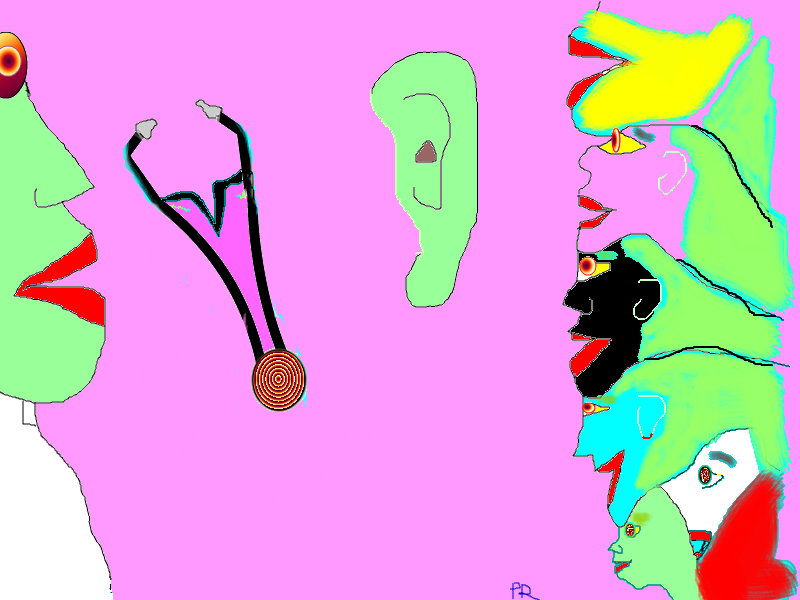
“The Name of Care”, a film that deals with the relationship between doctor and patient, based on the interpretation of a medical-philosophical text interpreted by Walderez de Barros and Oswaldo Mendes. LAPPIS, supporting the dissemination of the film, interviewed the creator of the medium-length film, Dr. Paulo Rosenbaum . The homeopathic physician answers questions about the film and about health and its representation in today’s society. Watch the movie trailer and then be sure to read the exclusive interview!                         

1- In one of the scenes, the character played by Walderez      de Barros reflects on the loneliness and great individualism present in members of contemporary society. How do you face this trend and what are the relationships it has with health, especially with homeopathy? In our society of information and express relationships, loneliness tends to increase dramatically, people live more alone, the number of people who live without a family, according to IBGE data from 2008 shows: the trend has exploded in the last decade. This is worldwide. On the other hand, individualism is not only present in the members of society, society is ideologically individualistic. That is: society – even in a more solidary and participatory regime – produces its “cohesion” in general at the expense of a side effect: the suppression of personal characteristics, dilution of unrepeatable unitswhich are the individual subjects. It is relatively simple to understand: to reach the average, singular traits are eliminated. There is less and less room in society for idiosyncrasies and singularities have to adapt – at the price of exclusion, marginalization or abandonment – ​​to social norms that are common to the average. Contemporary loneliness is not only a product of the inability to belong, but also the active rejection of a social environment that discriminates and segregates differences. I don’t know if there is a solution to this paradox. There is also a metaphysical loneliness, existential suffering for which, perhaps, there is no cure. Paul Ricouer says that misery is not coinciding with oneself. I believe in that. But how to recover these values ​​in an anomic society and without fair criteria? Homeopathy and integrative medicine are just medicine, right? Why should they propose to be agents of a broader transformation? What is this pretension? Which sociologist or philosopher granted this freedom to medicine? But the fact is that they played a broader social role than just eliminating diseases, they tried to develop criteria to assess each singularity as essential to a better understanding of the health and disease process and even a better understanding of society. Benoit Mure can always be cited as someone with these concerns. Like it or not, at least so far, the expansion of medicine’s horizon of action was a defeated project. Let the purists be shocked, but there are palpable elements that allow this reading to be made: the non-hegemonic areas did not get support, because even the doctors who use the other medical rationalities, the non-hegemonic ones, understand how they should inform society. Neither about the reasons for their existence, nor what new developments they propose in resisting the hardcore of gold standard research as the only ones that really qualify what is produced as benefits. In fact, the “resistance” that for a long time was even well calibrated to fix and reaffirm a research project that was still somewhat loose today became a justification for maintaining itself as an anachronistic cause. A very backward ideology that divides the world between allopathy and everything else. She, in addition to not dialoguing well, thinks she should challenge the medical corporation or blame the drug companies instead of bringing them to the debate. There are difficulties in having a minimum consensus to dialogue with the scientific community and when it does, it pays the price to disfigure the characteristics that underlie the method. We have, then, to ask the painful question: what is the point of all the struggle for reaffirmation if it is to accept a reduction that makes the novelty brought about by the perspective of an integrative practice, which is, without any naivety, a generous project unfeasible?                               

2- Nowadays, health assumed the definition of “not being sick”, instead of the classic definition of “being healthy”. In one passage, Oswaldo Mendes questions the patient about what he imagines when feeling pain. Visual expression is the explosion of a bomb, but how would you define it in words? The bomb is a metaphor whose idea came from the film’s director, Leo Lama, and which Paulo Prestes Franco captured and inserted very well into the film. She is efficient at saying something that reaffirms itself throughout the film. A bomb is the maximum violence, sometimes indiscriminate, most often irrational, which can be the symbolic synthesis of the modern statute of lack of delicacy. It is the absolute antithesis of care. All that counts is producing “effects” and “seeing” facts. The testimony, the narrative only appears and can only be validated by the images. She has the strength to tell those around her that he is a target. A target of injustice, a hostage of impatience, an object to be pulverized. So often the health sciences areas unfortunately objectify people who need treatment. In this sense, the metaphor has a triple hermeneutic: destruction of the “disease” thing, the “target” suffers an indiscriminate action against everything around it. The bomb, actually a scene of a guided missile hitting a target, also represents the desperate intensity of suffering, and finally a metaphor to compare what is sometimes difficult to verbalize in the soup of poverty of language. Finally, the image of destruction that, for those who get sick, makes no sense. Later, during a dialogue, the patient says to the doctor, reacting to a generalization that what he says is a society problem and not medicine, and the doctor answers: “society’s problems explode in the face of medicine”.         

3- Integrative medicine, particularly homeopathy, values ​​individualized care, giving the patient the necessary attention so that a cure can be obtained with greater quality. In your opinion, should this type of relationship between patient and doctor be integrated or should it be restricted to homeopathy only? If what you mean by “integrated relationship” is a radical relationship where the doctor captures the patient’s state and contextualizes it, and from this perspective, where he can enter into dialogical harmony with whoever is caring and vice versa , yes. Vice versa , as the dialogic relationship presupposes that the two are subjects in the consultation. Homeopathy is a specialty that has this structural feature in its episteme and as much as researchers try to dissect it, it is not possible to emancipate the medicinal therapeutic effect from the action and the force of action in therapeutic rapports . They are married and doomed to eternal fidelity to the chagrin of many. It is a big mistake to underestimate the value of conversation. Individualized care is not only about being attentive and available to the sick person, but valuing idiosyncrasies not only as positive details to identify symptoms, but also to understand and merge horizons with the author of the symptoms. In this case, the fusion of horizons is with the patient. This apprehension is not only important at that time, as guidance or counseling can always be based on very particular aspects of a particular person. If standard medicine could relearn how to listen to patients’ biographical and clinical histories, this would be a huge scientific and institutional advance . Care would approach a more careful practice and doctors and patients would be progressively disobjectified and this could work as a general reformulation of the very notion of the clinic. But that’s just a hope.                                                                                       

4- The choice of the subway as the interpretation scenario represents the collectivity that is responsible for equalizing citizens, oppressing individual characteristics. In one scene the patient screams, desperately, that he is feeling sick. As he demonstrates his despair, it is clear that no one among the many people around him is able to help him. In your opinion, does society lack solidarity? What is the relationship of this feeling with health practices? That’s a thought-provoking statement. In fact, the cry of pain is a cry in emptiness, besides being deaf it is a dead cry. He issues his despair to whom? Is there anyone listening? Is there someone to take care of it? Helplessness is a serious condition; he is the voice of abandonment and carelessness. He is the in-law of solitude. That’s why she screams so loud and insists on making herself heard. The film seeks to welcome and examine the malaise . As I said above, society is not, by nature, solidary. Much less the State, which in general is violent, repressive and, when saying that it is concerned with taking care of the “masses”, may not promote anything other than homogeneous measures for people with completely different needs, regardless of the protocol applied. Epidemiology is just beginning to learn the practical value of diversity. Sometimes, most of them sacrifice the individual in the name of a collective good. No one is trying to deny the value of biostatistics or effectiveness. For example, you cannot place individual seats on public buses in a way that everyone is respected in the way they would like to sit. But medical action is different and health care needs attention that focuses on the particular way in which the person becomes ill and heals. Standardization is not possible even though protocols and their efficiency rates can be accepted. This is just one facet of therapeutic interference. The other side of the coin is that if a treatment protocol is effective in the indiscriminate application of a successful guideline on a given pathology, imagine how much more effective it would be if it could simultaneously assess the overall impact on each subject and fine-tune person to person ? This is the greatest and greatest asset of a correct conception of integrality. The singular and unique way each expresses what only it can express. Maybe we wouldn’t have to be discussing at length a pleonasm as the “humanization of medicine”. Certainly there are segments of research in the scientific mainframe that are properly concerned with this issue, but the path is slow and long. As the song said: it is a long way !                                         

5- The scene in which the character expresses not wanting to know about the diagnosis, whether right or wrong, represents the individual’s disregard for the medical process, wanting immediate cure, regardless of the causes of the disease. Is this a general trend in today’s society?                                                 Can homeopathy, as it has an approach aimed at the individual, serve as an example as a solution to this tendency? I don’t know if I would read it that way although that’s exactly the richness of the movie. A hermeneutic documentary like “O nome do Conhecimento” intends to show that this fusion takes place with the different perspectives of those who see it and thus can be better explored in public debates. And that’s our effort. By the way, it called our attention to the almost absolute lack of support for this initiative, which we had to fund with personal resources and with the help of friends. No association, university or research group was involved in the project. I don’t complain. I just try to see how a vital question like this is encapsulated and overlooked. Which for me only increases the desire to publish the documentary and start a second filmic investigation. It is an ineffective discussion and precisely because it does not arouse institutional interest, we must insist on discussing “why does this issue cause so much trouble? What does it raise? We renounce any crude denunciation, to adopt the language of art, metaphoric and poetic, to give voice to problems. Applying hundreds of millions of reais to implement service centers, humanization programs and the regulation of integrative medicine in the Brazilian state may not be enough. Without a discussion carried out the ultimate consequences of what type of medicine is desirable and what is the most priority and how the training of human resources is taking place for this immense demand – both in the SUS and in private medical practice – and still without taking into account the kind of malaise that is spreading in contemporary society does not seem to me that we can go very far. There is a moment in the film when the doctor says “there is a gigantic social pathology and it seems that people don’t realize that these things are also symptoms” . 6- Finally, the movie trailer, right at the beginning, raises a question: “Which medicine does society need?”. Could you answer it? I think society needs to discuss which medicine it wants. It’s a question and no one can claim to give answers alone. But I have an intuition and that’s what I’m going to talk about. I think that at least most people do not know what medicine is or that it has several possibilities for intervention. Who will say what the integrative cut medicines are. If there is a model medicine? Is there a model that should be hegemonic?                                                                                         

      I do not believe. We urgently need to transcend the idea that one formula will replace another. The various forms of intervention make sense and relate to specific models of cultures and diversities: ethnic, racial, religious, geographic. There are, however, some generic topics: I believe in bringing the idea to users and consumers that a service in which the quality of presence is in evidence is good. A medicine in which listening is more generous and the patient is not a passive object, but an interactive subject who is also present, putting all his instruments at his disposal. Everything so that you can reach states closer to happiness. A health manager might turn up his nose and say: this is impossible. As long as I’m a doctor, I can still – or want to – have the luxury of believing.      

To contact Dr. Paulo Rosenbaum , send an email to rosenbau@alumni.usp.br.

To see the teaser:
http://www.youtube.com/watch?v=3vUXVhOudCc

Compartilhe:

  • Clique para imprimir(abre em nova janela) Imprimir
  • Mais
  • Tweet
  • Clique para compartilhar no WhatsApp(abre em nova janela) WhatsApp
  • Clique para compartilhar no Telegram(abre em nova janela) Telegram
  • Pocket
  • Compartilhar no Tumblr
  • Clique para enviar um link por e-mail para um amigo(abre em nova janela) E-mail
  • Clique para compartilhar no Reddit(abre em nova janela) Reddit
Curtir Carregando...
← Posts mais Antigos
Posts mais Recentes →

Artigos Estadão

Artigos Jornal do Brasil

https://editoraperspectivablog.wordpress.com/2016/04/29/as-respostas-estao-no-subsolo/

Entrevista sobre o Livro

aculturamento Angelina Jolie anomia antiamericanismo antijudaismo antisemitismo artigo aspirações impossíveis assessoria assessoria de imprensa assessoria editorial atriz autocracia autor autores A Verdade Lançada ao Solo açao penal 470 blog conto de noticia Blog Estadão Rosenbaum Censura centralismo partidário centros de pesquisas e pesquisadores independentes ceticismo consensos conto de notícia céu subterrâneo democracia Democracia grega devekut dia do perdão drogas editora editoras Eleições 2012 eleições 2014 Entretexto entrevista escritor felicidade ao alcançe? Folha da Região hegemonia e monopólio do poder holocausto idiossincrasias impunidade Irã Israel judaísmo justiça liberdade liberdade de expressão Literatura livros manipulação Mark Twain masectomia medico mensalão minorias Montaigne Obama obras paulo rosenbaum poesia política prosa poética revisionistas do holocausto significado de justiça Socrates totalitarismo transcendência tribalismo tzadik utopia violencia voto distrital
Follow Paulo Rosenbaum on WordPress.com

  • Assinar Assinado
    • Paulo Rosenbaum
    • Junte-se a 30 outros assinantes
    • Já tem uma conta do WordPress.com? Faça login agora.
    • Paulo Rosenbaum
    • Assinar Assinado
    • Registre-se
    • Fazer login
    • Denunciar este conteúdo
    • Visualizar site no Leitor
    • Gerenciar assinaturas
    • Esconder esta barra
 

Carregando comentários...
 

    %d